ANOMALY DETECTION
Conveyor anomaly detection
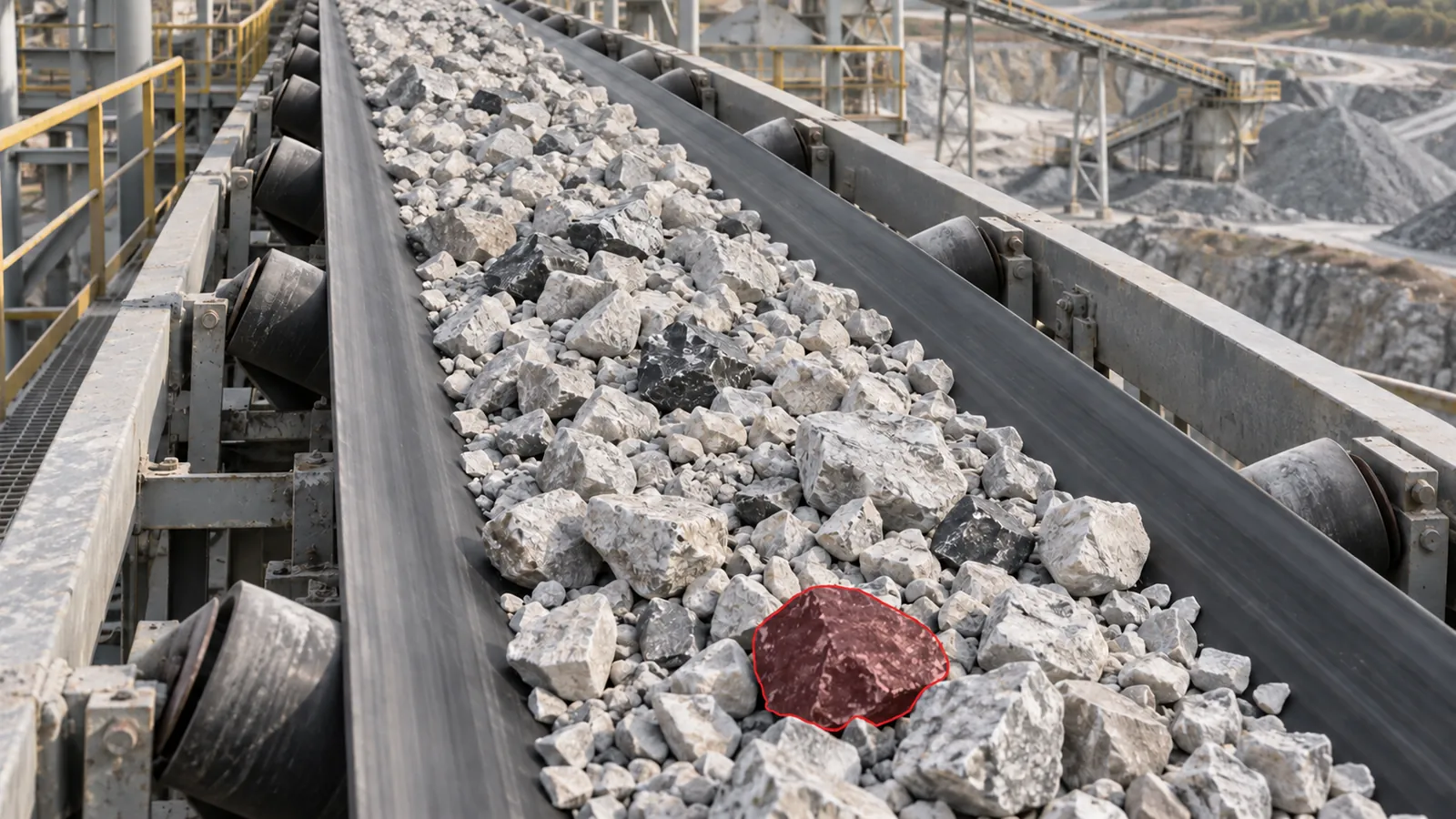
Monitor conveyors for changes in material and flow. Detect agreed visible conditions, such as foreign objects, oversized material or build-up, and give operators time-stamped evidence to investigate.
INDUSTRIAL VIDEO ANALYTICS
Minnovation engineers video-led monitoring for conveyors, crushers and bulk-material processing, connecting findings to operators and industrial control systems.

Material variation detected on Conveyor 2.
Bring changes in material, flow and equipment state into view, with evidence for the agreed operator or plant workflow.
ANOMALY DETECTION
Monitor conveyors for changes in material and flow. Detect agreed visible conditions, such as foreign objects, oversized material or build-up, and give operators time-stamped evidence to investigate.
CRUSHER MONITORING
Distinguish idle, working and blocked crusher states, with visual evidence and signals for the agreed operator or plant workflow.
MATERIAL SIZING
Assess visible material size and flag oversize conditions, with demonstrations on our hardware and site-specific validation before deployment.
CONNECTED TO YOUR PEOPLE
When a crusher blockage is detected, send your team a time-stamped clip and equipment context through the channels they already use.
Help operators investigate idle, working and blocked states. Notification channels and system signals are agreed around your plant workflow.
CRUSHER ALERT
Material build-up visible at the crusher feed opening. Review the clip and confirm the next step.
CONNECTED RESPONSES
Connect what your plant sees to what’s happening—and what should happen next.
Bring camera observations together with machine states, alarms and operating data. Connect validated findings to agreed workflows or engineered responses.
PLCs, SCADA, production systems and maintenance platforms are potential integration points, subject to your site’s interfaces and permissions.
Where video leaves an information gap, we assess additional sensing such as thermal imaging, LiDAR, vibration, temperature or pressure.
// Conveyor monitoring event
{
"event": "material_build_up",
"asset": "conveyor_2",
"machine_state": "running",
"response": {
"operator_alert": true,
"beacon": "activate"
},
"evidence": "image + timestamp",
"record_event": true
}YOUR PLANT’S MEMORY
Every recorded finding adds to a history your team can use. Review events, spot recurring issues and track quality across shifts, lines and reporting periods.
Bring the evidence together in reports that show what was flagged, where it happened and which responses followed.
MONTHLY QUALITY REPORT
September 2026Useful findings for the teams who keep quality, production and safety in view.
Operations teams
Receive real-time findings about material flow, interruptions and unexpected activity, with context and the configured response.
Maintenance teams
Use recorded evidence and available operating data to understand recurring interruptions and changing equipment conditions.
Quality teams
Review flagged defects, contamination and incorrect materials, then track patterns across production periods.
Safety teams
Receive configured alerts for agreed risk events. Review evidence alongside your established safety procedures.

EDGE INTELLIGENCE
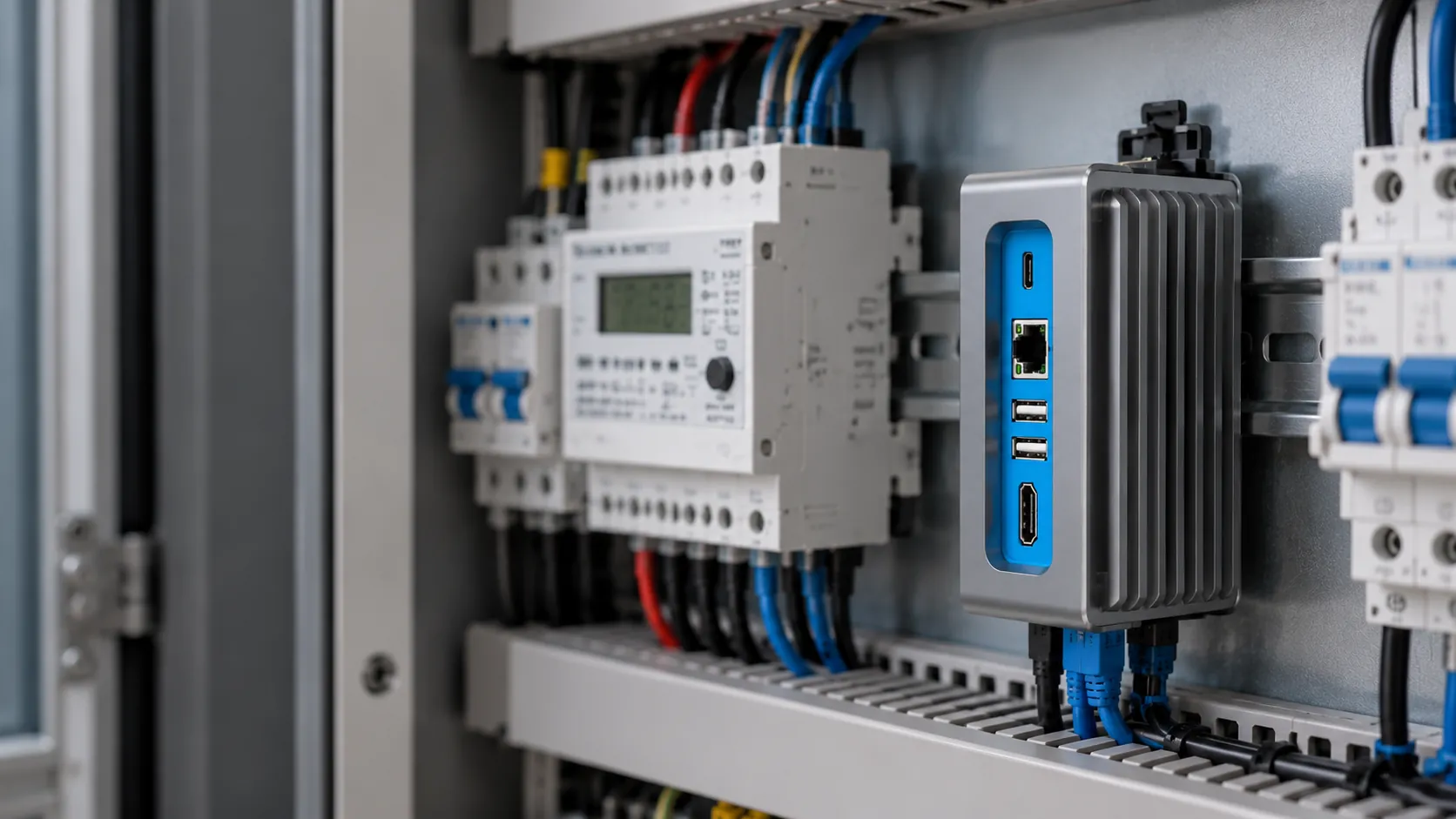
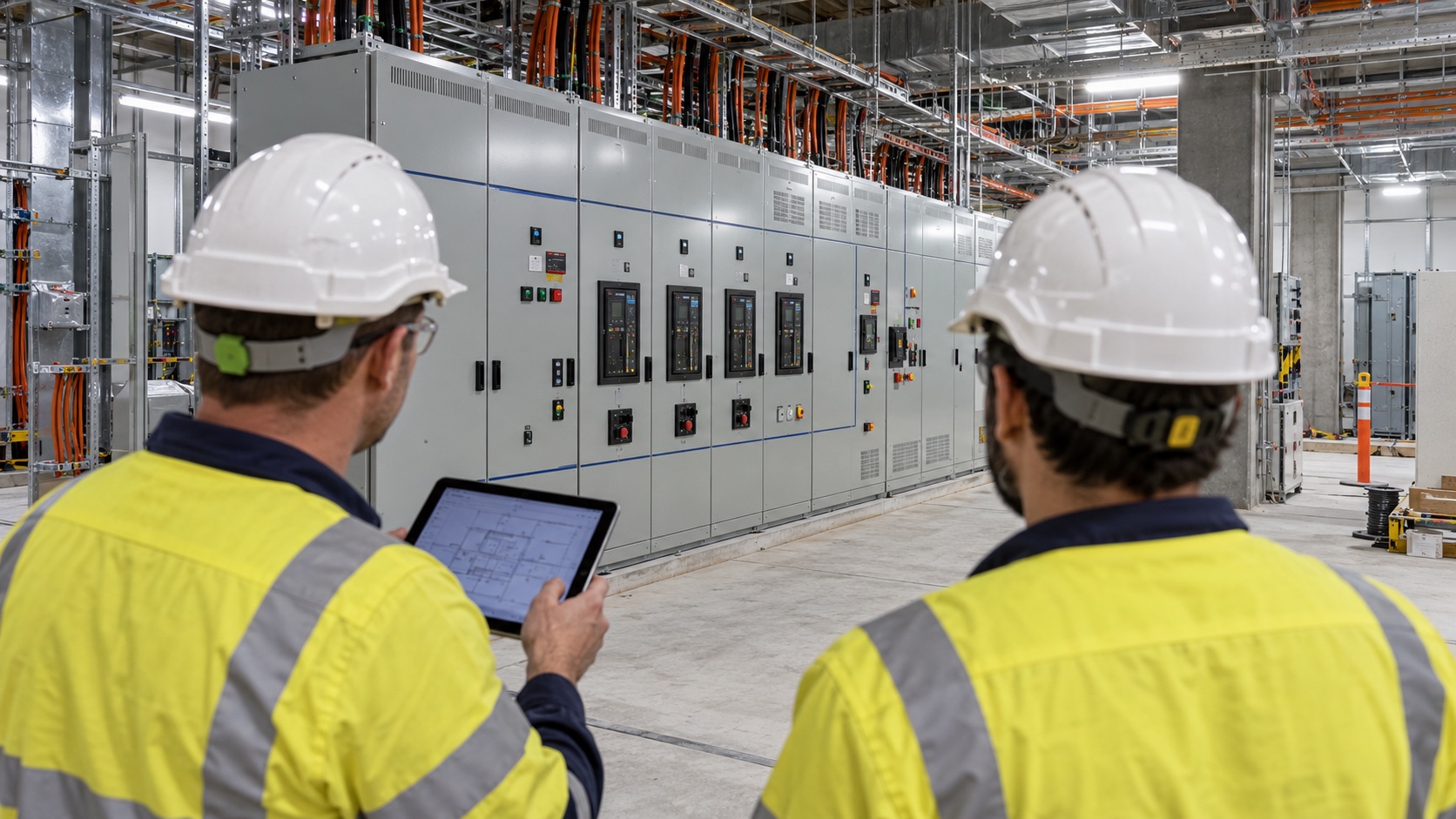
Edge hardware installed in your control cabinet, alongside the systems that run your plant.
Camera feeds are processed on site, close to your field equipment. Connect visual findings with available machine states and operating data, then pass events to your team and agreed industrial systems.
Hardware, cabinet requirements and interfaces are confirmed for your application.
From camera connections to real-time responses and reporting.
We connect cameras and industrial systems to detect agreed events. Visual findings are combined with available operating data, then configured alerts or validated responses are triggered and events are recorded.
Applications can include visible defects, contamination, incorrect materials, changes in material flow, interruptions and defined safety risk events. The specific targets and performance criteria are assessed and validated before deployment.
Where they are suitable. We assess position, image quality, lighting, coverage and access. Your application may need a different camera, lens or lighting arrangement.
Potentially. We review available interfaces, operating data and permissions during assessment. Integration scope is confirmed for your site, rather than assumed.
These can be engineered response options where suitable. Plant stops, beacons, sirens and other control responses require application-specific design, validation and approval. Safety analytics supports established controls and does not replace required safety systems.
Response timing depends on the camera feed, processing architecture, network and connected system. We agree latency requirements and test the complete response during validation.
Delivery is agreed around your workflow. Options may include phone notifications, Microsoft Teams, alarms and connections to production or maintenance systems, subject to the available interfaces and permissions.
Recorded events can be brought together by reporting period, asset or event category. Your reporting scope is agreed during assessment, including the evidence retained and the information your team needs.
Validation examines missed detections and unnecessary alerts under representative conditions. We agree acceptance criteria and review performance as materials, lighting and operating conditions change.
Start with a scoped feasibility assessment. Tell us what your plant needs to see, where it happens and what should happen next. We review footage, conditions and interfaces, then recommend a practical next step.
SEE. THINK. ACT.
What you need to see, what decisions need to be made and what should be done next.
Discuss your application